Focused arrival windows
Useful updates and clear arrival timing.

Deck painting Wesley Chapel FL homeowners can count on starts with proper prep, not just a fresh coat. We handle deck painting and staining Wesley Chapel properties need to fight fading, cracking, and mildew. Whether your deck is in Seven Oaks or New River, we clean, sand, repair, and coat it with products rated for Florida sun. Free estimates, clear pricing, and a crew that shows up when we say we will.
Useful updates and clear arrival timing.
Review the approach and price before deciding.
Equipped vehicles and respectful cleanup.
Neighbors serving neighbors with follow-through.
Every deck job we quote includes the full prep and coating process, not just the finish coat. Here is what is covered in a standard deck painting and staining Wesley Chapel project, and what we treat as an add-on so you can plan your budget.
Full surface wash to remove dirt, pollen, mildew, and loose finish. We treat mildew spots with a cleaner and rinse thoroughly. This step alone adds years to the new coating and is included in every quote we write.
We sand rough boards, drive popped nails, and fill cracks with caulk and spackle. Small board replacements up to a few boards are included. Larger structural repairs or full board replacement are quoted separately after we inspect.
Bare wood and previously stained areas get a stain-blocking primer from Kilz or Zinsser. We caulk gaps at posts, railings, and where the deck meets the house to keep water out of the framing.
We apply two coats of your chosen stain or paint, sprayed and back-rolled for even coverage. Railings, spindles, and tight corners get brushed by hand. Color selection help is included if you want it.
We remove all tape, drop cloths, and empty containers, then walk the deck with you to confirm the finish. You get care instructions and a workmanship warranty on the coating.
Share what is happening and receive a clear next step from the local team.
Deck painting Wesley Chapel FL is the process of cleaning, repairing, priming, and coating an exterior wood or composite deck so it resists sun, rain, and mildew. It is not a one-coat job. We start by pressure washing away dirt, pollen, and old chalking finish, then sand rough boards and drive popped nails. We caulk gaps, fill cracks, and spot-prime bare wood with a stain-blocking primer. Only then do we apply the finish coat, usually with an airless paint sprayer and back-brushed with a paint roller for even penetration. Most decks take two to four days from wash to final coat.
Wesley Chapel sits in Pasco County, where UV index runs high most of the year and afternoon storms hit hard from June through September. That combination fades cheap stain in a single season and traps moisture under failing paint, which leads to peeling paint, blistering paint, and mold and mildew on exterior wood. If your deck boards feel fuzzy, gray, or chalky, the finish is already gone. We see this constantly in neighborhoods like Meadow Pointe and Watergrass, where screened lanais and open decks take direct west sun. A proper recoat now costs far less than board replacement later.

We walk the deck with you, check board condition, probe for soft spots, and note loose railings or failing fasteners. You get a written scope and a firm price the same day, usually within an hour of the visit. If a board needs replacing, we tell you before we start, not halfway through.
We pressure wash the entire surface to remove dirt, pollen, mildew, and loose finish. On decks with heavy chalking or failing paint, we apply a stripper and let it dwell before washing. This step takes three to five hours on a typical 300-square-foot deck and is the single biggest factor in how long the new finish lasts.
We sand rough spots with a sanding block and orbital sander, drive or replace popped nails, and fill cracks with caulk and spackle. Any bare or previously stained wood gets a coat of stain-blocking primer from Kilz or Zinsser. We tape off the house siding, posts, and screens with painter's tape and lay drop cloths to protect your landscaping.
We spray the first coat with an airless paint sprayer, then back-roll with a paint roller on an extension pole to work the product into the grain. Second coat goes on the same way after the first dries. We use a paintbrush on railings, spindles, and tight corners where a sprayer would overspray onto the house.
Once the deck is dry, we walk it with you, point out any spots that need attention, and hand over care instructions. We haul away all tape, drop cloths, and empty cans. You get a workmanship warranty on the coating and a reminder of when your next recoat is due based on sun exposure.
Applies the finish coat fast and evenly across large deck surfaces. We back-roll behind it so the product works into the grain instead of sitting on top.
Used to back-roll sprayed areas and reach the center of wide decks without a ladder. Gives a uniform finish and pushes product into the wood pores.
Hand-work on railings, spindles, corners, and anywhere a sprayer would overspray onto siding or screens. This is where the detail shows.
Smooths rough boards and feathers edges before coating. Removes chalk and old finish so the new product bonds properly.
Fills gaps at posts, railings, and the ledger board where the deck meets the house. Keeps water from getting behind the siding.
Protects landscaping, screens, and siding during spraying. We tape off everything we do not want coated and haul the materials away when we are done.
Wash, sand, repair, prime, then coat. We never skip a stage to save time. This sequence is why our finishes last two to three years in Florida instead of one, and it is the standard we hold every crew to.
We spray the finish for speed and even coverage, then immediately back-roll with a paint roller to work the product into the wood grain. This combination gives better penetration and a more uniform look than spraying alone.
Full-sun decks get high-solids acrylic or oil-based finishes. Shaded, damp decks get mildew-resistant formulas. We match the product to the deck's actual conditions instead of using one finish for every job.
On homes built before 1978, we follow EPA Lead-Safe Certified Firm procedures during sanding and prep. Containment, cleanup, and disposal are all handled to standard so your family and landscaping stay protected.

Builder-grade finishes typically fail in two to three Florida summers. We strip what is left, prep the wood, and apply a quality finish from Sherwin-Williams or Cabot that will actually hold up. This is the most common job we run in Pasco County. You get a deck that looks new again and a finish timeline of two to three years before the next recoat.
We offer deck painting Wesley Chapel FL same-day service for estimates, and we can often fit a full deck job into a two-day window. We match the finish to your home's exterior colors so the listing photos look cohesive. A clean, evenly coated deck that reads as maintained and helps your listing stand out in the Wesley Chapel market.
We handle HOA color compliance every week in neighborhoods like Meadow Pointe and Seven Oaks. Send us the approved color list and we will match it, then provide documentation of the finish used so you can close out the notice. Your deck meets the association spec and you have paperwork showing the work was done to standard.
The window right after washing is the best time to coat, because the wood is clean and dry. We can schedule the finish application within a few days of your wash, or handle both steps ourselves so the timing is right. Sealed boards that shed water before the June-through-September afternoon storms hit.
Wesley Chapel decks live under a specific set of conditions: high UV most of the year, afternoon storms from June through September, and humidity that keeps shaded boards damp long after rain stops. That combination breaks down finishes faster here than in most of the country. We adjust our product choices and prep depth for Pasco County, not for a generic national average. Most homes in this area have pressure-treated pine or composite decks attached to stucco walls, and that wood-to-stucco joint is where we see the most water intrusion. We caulk and seal that connection on every job. We also work around HOA color rules, which are strict in communities like Seven Oaks and Meadow Pointe. If you need professional deck painting in Wesley Chapel, Florida, we can usually get an estimator to your door the same day and have the job finished within a week of approval. For homeowners in New River and other west-side neighborhoods, we schedule around afternoon shade patterns so the finish has time to cure before the sun hits it.
Many decks here face west and take full afternoon sun. We recommend high-solids acrylic finishes that resist UV fade and hold color through the summer.
Screened lanais are common, and the screens trap humidity. We use mildew-resistant products and pay extra attention to the shaded north-facing boards.
Newer construction means builder-grade finishes that are now hitting their failure point. We strip and recoat these decks regularly.
Larger lots and open pool decks with direct sun exposure. These jobs often need oil-based or penetrating stains for deeper protection.
HOA color rules are specific here. We match approved colors and document the finish used so homeowners can close out any compliance notices.
UV breaks down the finish and fades color faster than in northern states. We choose products rated for UV resistance and recommend a recoat every two to three years instead of the four to five you might get elsewhere.
Frequent rain means decks stay wet and finishes have less time to cure. We schedule application around the morning dry window and avoid coating when rain is forecast within 24 hours.
Shaded areas stay damp and grow mildew quickly. We treat mildew during the wash step and use mildew-resistant finishes on decks that do not get direct sun.
The joint where the deck meets the stucco wall is the most common water entry point. We caulk and seal it on every job to keep water out of the framing.
A 320-square-foot pressure-treated pine deck had gone fully gray and chalky after four summers with no recoat. Several boards had surface cracks, and the railing showed peeling paint on the top rail. The homeowner was worried the whole deck needed replacing.
We washed, sanded, and primed the surface, replaced two soft boards, and applied two coats of a high-solids acrylic finish. The deck now reads as a warm cedar tone, water beads on the surface, and the homeowner avoided a full board replacement.
Maintenance: We recommended a light wash each spring and a recoat in two to three years. Keeping pollen and dirt off the surface is the easiest way to extend the finish.
A screened lanai deck had heavy mildew on the north-facing boards and peeling paint near the door threshold. The screens trapped humidity, and the old finish had failed in the shaded areas while the sun-facing boards were still intact.
We killed the mildew during washing, sanded the peeling areas, and applied a mildew-resistant finish across the whole deck. The shaded boards now match the sun-facing ones, and the peeling at the threshold is sealed and coated.
Maintenance: We suggested running a fan or leaving the lanai door open after rain to speed drying. A recoat every three years should keep the mildew from returning.
A 500-square-foot pool deck had faded from dark walnut to a pale tan and showed chalking across the entire surface. The homeowner wanted a color that would hold up better under direct sun and stay cooler underfoot.
We stripped the chalk, applied a penetrating primer, and coated with a lighter-toned oil-based finish rated for UV resistance. The deck now holds its color, stays cooler in the afternoon sun, and the chalking is gone.
Maintenance: We recommended a recoat every two years because of the full-sun exposure. A quick wash before recoating is all it takes to keep the finish looking fresh.
Florida weather is hard on wood. These are the issues we see most often on decks across Pasco County, and how we fix them before they turn into structural repairs.
Bare wood soaks up rain, swells, and starts to rot. Once rot reaches joists or the ledger board, you are looking at structural repair instead of a recoat. We strip the failing finish, sand down to sound wood, prime bare spots, and recoat with a UV-resistant product. This resets the clock and protects the boards for another two to three years.
Mildew makes boards slick and can spread to siding and screens. It also eats into the finish, causing it to fail faster in the shaded areas that stay damp longest. We kill mildew at the source with a cleaner during the wash step, then apply a mildew-resistant finish. For decks under heavy shade, we recommend a product formulated for damp conditions.
Chalking means the finish has broken down and the wood surface is exposed. New stain applied over chalk will peel within months because it cannot bond. We remove the chalk layer with washing and sanding, then use a penetrating primer before the finish coats. That gives the new product something to grip instead of sitting on top of dead finish.
Small cracks let water in, and when temperatures drop, that water expands and widens the cracks. Over a few seasons, boards cup and splinter underfoot. We fill cracks with flexible caulk and coat the deck with a product that moves with the wood. Sealing the surface keeps moisture out and slows the cracking cycle.
Most deck painting jobs in Wesley Chapel run $450 to $1,800 in 2026, depending on square footage, board condition, and whether repairs are needed. A simple 200-square-foot deck with light prep starts around $450. A 500-square-foot deck with railing, stairs, and board replacement can hit $1,800 or more. We give you a firm number after a free on-site look, so there are no surprises.
Plan on recoating every two to three years in Wesley Chapel. Full-sun decks facing west or south often need it closer to every two years because UV breaks down the finish faster. Shaded decks under a lanai or tree cover can stretch to three or four. If you see graying, chalking, or water no longer beading on the surface, it is time, regardless of the calendar.
Yes, every deck we coat gets pressure washed first. Washing removes dirt, pollen, mildew, and loose finish so the new product bonds to clean wood. Skipping this step is the number one reason deck paint peels within a year. We adjust pressure based on board condition, using a fan tip on softer wood and more pressure on hard, weathered boards.
For most Wesley Chapel decks, a high-solids acrylic or oil-based deck stain outperforms standard latex paint. Acrylics from Sherwin-Williams and Cabot hold color well and stay flexible through heat swings. Oil-based products penetrate deeper and resist mildew better in shaded areas. We match the product to your deck's sun exposure, wood species, and whether it is pressure-treated pine or composite.
Not seeing your question? Our local team can help you understand urgency, scheduling and what to expect.
Ask the local team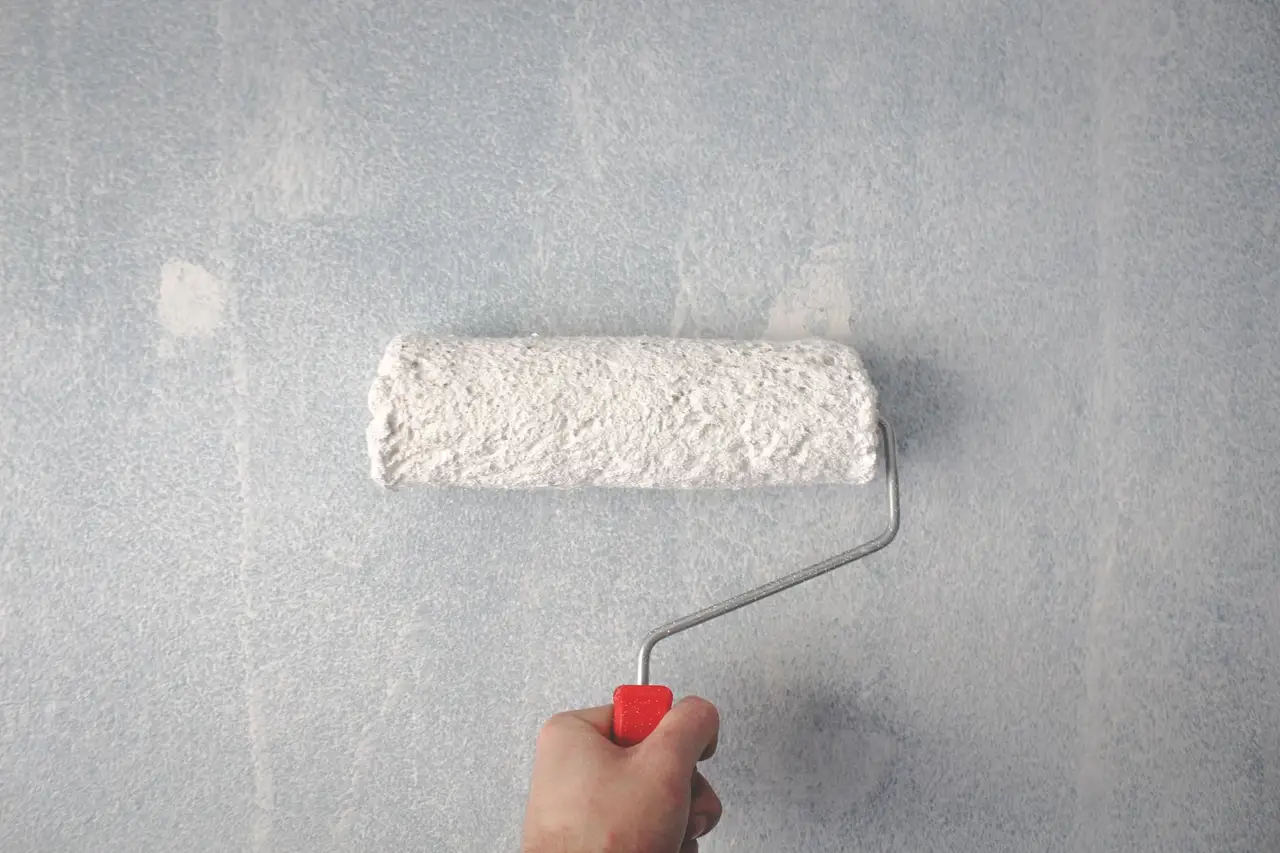
Most deck projects turn into an interior touch-up conversation. If your lanai door or the wall behind it shows water stains, we can patch and repaint it while we are on site. Same crew, same standards, one trip.
View service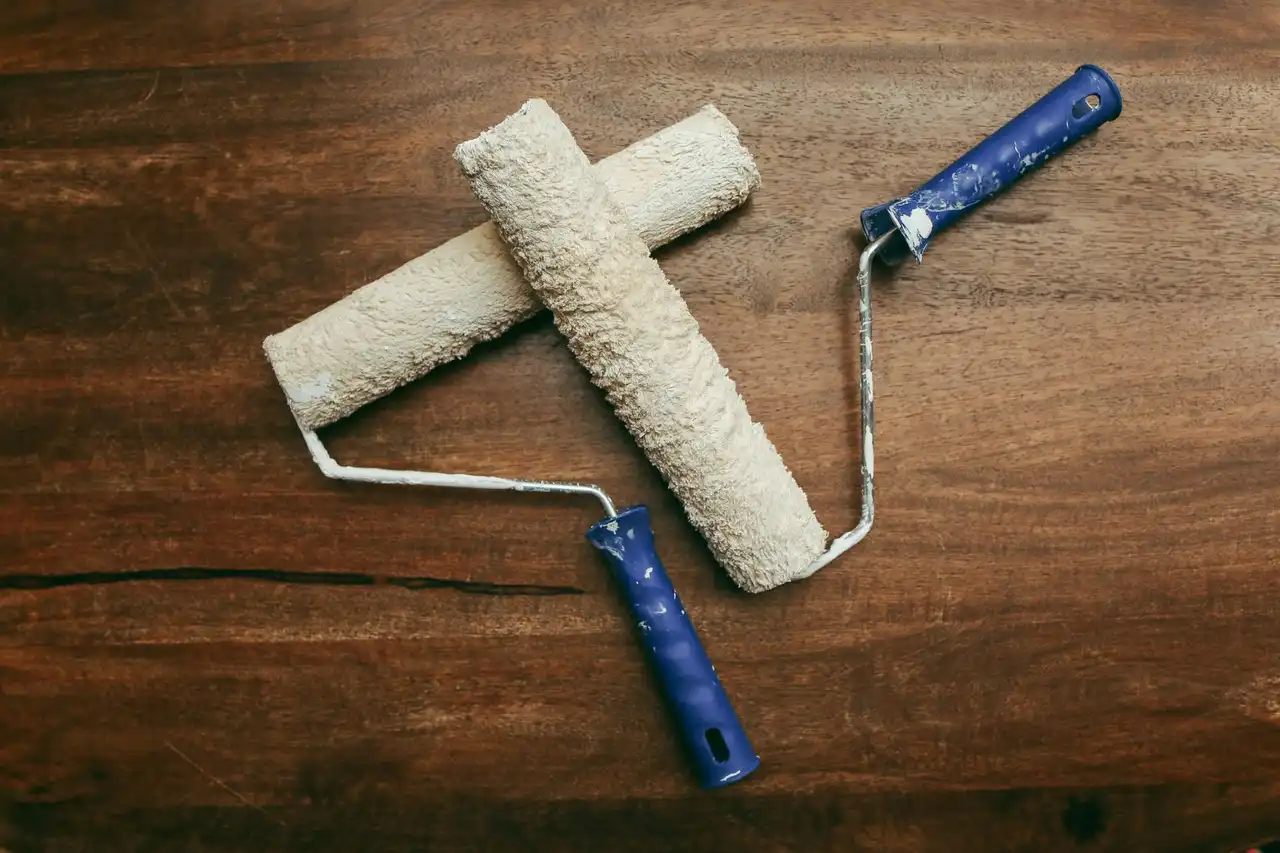
Your deck connects to siding, trim, and fascia. We often bundle deck coating with full exterior painting so the colors match and the whole house gets the same prep and product quality. It saves you a second mobilization fee.
View service
Deck work is residential work. If you are already planning to repaint bedrooms, hallways, or the garage, we can schedule both jobs back to back so you only deal with one crew and one invoice.
View service
We coat commercial decks and outdoor break areas for Wesley Chapel businesses too. Same prep standards, but scheduled around your operating hours so customers and staff are not walking through wet coating.
View service
Call us at (813) 123 4567 or email info@wesleychapelpainters.com to schedule a free walkthrough. We answer calls Monday through Friday, 8am to 6pm, and respond to voicemails within one business day. If you have photos of the space, send them over and we can often give you a ballpark range before we visit.